


What Is Uvc Air Purifier?
UV air purifiers are devices that use UV light technology to capture air and pass it through a filter. The air then goes through a small internal chamber where it becomes exposed to UV-C light. Some air purifiers then filter the air again before releasing it back into the room.
Why Choose Us
Shipping Service
We have established a robust shipping service offered to ensure timely and secure delivery of orders worldwide.
Reliable Supply
We offer a vertically integrated supply chain model to ensure reliable long-term supply and complete traceability.
Customer Service
We prioritize open communication to address our clients' specific requirements and deliver personalized solutions.
Technical Support
Our team of experts is available to assist with troubleshooting, answer technical inquiries, and provide guidance.
-

High End Uvc Air Steriliaing Purifier
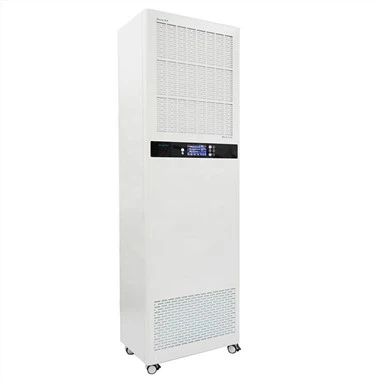
Hanstat plasma spray cleaner hb-d-g150 is equipped with a powerful filter that can absorb small
Add to Inquiry -
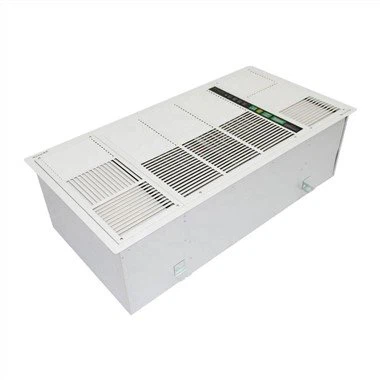
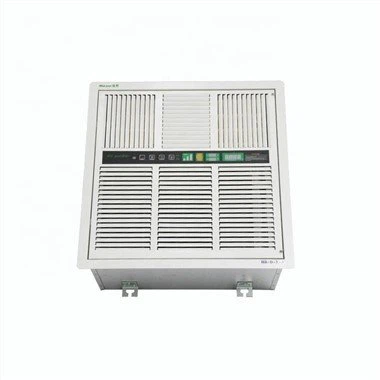
Hanbang ceiling ultraviolet air purifier provides you with safe and simple air purification schemes
Add to Inquiry -
Uv Sterilize Negative Ion Uvc Air Purifier
HANSTAT B100 are specially designed for large spaces and maximum performance. The air purifier
Add to Inquiry -
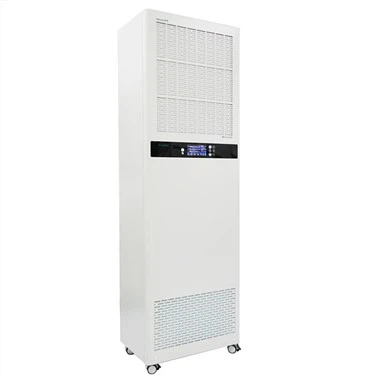
Hanstat's best-selling product, model G150, contains all our technologies (UV EPS plasma),
Add to Inquiry -
Hanbang brand ceiling ultraviolet air purifier contains 2 ultraviolet sterilization lamps, HEPA
Add to Inquiry -
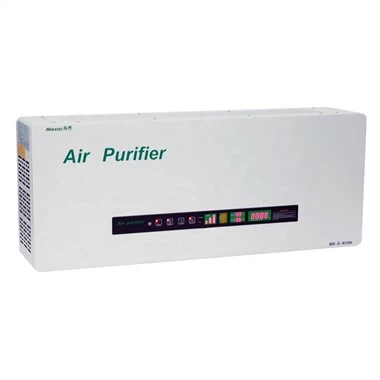
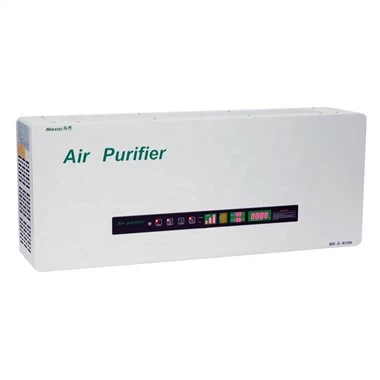
The wall mounted air purifier is equipped with UV sterilization system. At the same time, you can
Add to Inquiry -
Hanstat is committed to helping customers create a clean environment We have launched Y100 series,
Add to Inquiry

Exposure to germs (those that cause disease- e.g. viruses, bacteria, mold spores) is a big concern in the world of public health. Airborne germ worries include methicillin-resistant Staphylococcus aureus (MRSA), the flu, bioterrorism, and other severe respiratory problems like severe acute respiratory syndrome (SARS). One solution long-utilized to combat airborne germ spread is by using ultraviolet germicidal irradiation (UVGI) air purifier — or more commonly referred to as a germicidal air purifier.
What Is Ultraviolet Light Germicidal Irradiation?
UVGI is a process in which airborne germs are killed off using ultraviolet light. The ultraviolet light disinfection rays come from special air purifiers or HVAC systems that don't pose a risk to humans in the space in which the air is being purified.
The UV germicidal air purifier system works by targeting the air within a space and exposing it to ultraviolet light. Once the harmful air contaminants receive enough UV energy, they remain in the air but are no longer harmful.
Most existing HVAC systems move the air at a rapid speed which makes getting the right exposure time on the germs harder to do and much more expensive due to the number of UVC emitters needed. Because of the challenges with properly applying a UV-C to an existing HVAC system, many facilities are turning to the use of UVC-equipped germicidal air purifiers which enables airspeed to slow down long enough for germs and viruses to be exposed to ultraviolet light.
Does UV Light Kill COVID-19?
In general, yes. It has been found that ultraviolet light disinfection can kill COVID-19 particles. Similar to COVID-19, other respiratory problems like severe acute respiratory syndrome (SARS), can also be killed off using UV germicidal air purifiers.
Ultraviolet light disinfection can significantly lower the risk of other airborne germs including methicillin-resistant Staphylococcus aureus (MRSA), the flu, bioterrorism, and more. UV-C has been utilized in schools, hospitals, and other locations with great success, and has been documented as a germicide since the 1930s.
How do UV Light Air Purifiers use UV-C Light?
UV-C light is responsible for the main disinfectant activity of UV-C air purification systems. All that extra energy, much more than visible light, can actually change the molecules that absorb it, and DNA is particularly susceptible to these changes. Ultraviolet light bombards microorganisms around the UV lamp and damages the DNA they need to live.
When people get sunburned after a day at the beach, they are suffering radiation burns from a type of UV light emitted by the sun—the redness is the inflammatory response of the skin when its DNA is directly damaged by UV radiation, which can potentially lead to skin cancer.
Since bacteria are only one cell, they rely on their DNA to live. This is the principle behind UV light sanitation. If a bacterial cell's DNA is sufficiently damaged, it triggers a self-destruct mechanism, rendering it harmless.
UV-C air purifiers can be installed in a wide variety of ways and to varying degrees of success (Macher, 1993). In one study, the placement of germicidal ultraviolet lamps on the walls of healthcare dwellings was found to successfully provide the disinfectant qualities with no statistically significant side-effects of UV overexposure, reinforcing the familiarity these systems have in the healthcare industry .
Why Should You Consider Getting a UV Air Purifier?




UV light purifiers work by emitting ultraviolet (UV) rays, which are the same kind of radiation used for tanning beds and killing bacteria in drinking water. They target harmful molecules that contain oxygen, such as ozone, nitrogen dioxide and formaldehyde. They then destroy them or convert them into less harmful substances, like carbon dioxide.
The most common type of UV light air purifier uses a special quartz tube called "deodorization lamp" oated with phosphorus. The lamps work to emit UV rays that destroy air pollutants without producing harmful byproducts, like ozone or nitrogen oxides. When the ultraviolet rays contact the pollutants, they cause chemical reactions that change their structure.
UV lamps are extremely effective at destroying microorganisms like viruses, bacteria and microbial. This is because these organisms have DNA or other molecules in their cells susceptible to alteration by UV light radiation. Some of the most common types of microorganisms that you can destroy with these devices include cold virus, flu virus, herpes virus, tuberculosis bacteria and legionnaires' disease bacterium.
When it comes to odor molecules, the UV lamps work in a similar way. They break down molecules responsible for smells into smaller fragments that can no longer cause an unpleasant odor.
UV lights also have sensors to monitor air quality and adjust their intensity or speed accordingly when necessary. This is especially important during peak hours of operation, such as early morning and late afternoon, when people are most likely to be at home.
There are several reasons to consider getting an ultraviolet light device for home or office use. First, if you're looking for something cutting edge that will keep your indoor environment safe and clean, this could be just what you need.
Second, well-maintained UV lights are very effective at removing pollutants and odors from the air without producing harmful byproducts. They also have sensors to adjust intensity or speed in order to keep up with your indoor environment. In addition, these devices don't require a lot of maintenance and there's no chance for exposure to ozone when using them.
This technology is particularly beneficial for people with allergies, asthma or compound sensitivities. It can also help reduce the risk of developing chronic respiratory diseases later in life.
People who are chemically sensitive can especially benefit from this technology because they have a difficult time tolerating common household chemicals and pollutants. These include things like perfumes, cleaners, paint fumes, cigarette smoke and even new carpets.
How Effective Are UV Air Purifiers?
Though UV-C light can potentially deactivate microbes, whether it can do so within a portable air purifier unit is a different matter altogether. These units are often advertised to reduce dust mite and mold allergens. The effectiveness of UV-C light in disinfecting the air depends on a number of factors, including:
- Whether the pollutants come into contact with the UV light
- Whether the light is inhibited by the cooling effect of airflow
- The material of the bulb emitting such light
- The high dosage of light required
- How long the pollutant is exposed to the light
Cleaning your indoor air isn't as simple as it sometimes sounds. Your indoor air is a veritable smorgasbord of pollutants, from solid particles like dust, mold, and pollen to gases like like carbon dioxide (CO2), formaldehyde, indoor ozone (O3), and volatile organic compounds (VOCs).
That's not even including airborne biocontaminants like bacteria and viruses that live on almost any surface you can imagine – and many of these can get into your air and be breathed straight into your airways, penetrating respiratory tissue and infecting your entire body.
That's whyultraviolet (UV)a air purifiers (UV air purifiers) came onto the scene: to address widespread concerns that air purifiers weren't doing anything about the millions of infectious microbes and viruses that could cause and spread conditions like colds, the flu, and even tuberculosis.
And during the outbreak of the SARS-CoV-2 virus (severe acute respiratory syndrome coronavirus 2) responsible for COVID-19 (a serious respiratory disease, often fatal), UV air purification for the inactivation of airborne viral particles has drawn even more attention as a way to help stop the spread of this deadly pandemic.
UV light disinfection already has a long history in the medical field. Extensive research shows that UV light specifically helps keep dangerous drug-resistant bacteria from spreading hospital-acquired infections (HAI) .
How does UV light "purify" the air?
UV light as used in a UV air cleaner is designed to disinfect potentially infectious living, organic bacteria and inorganic viral material from the air flowing through the purifier.
UV light's secret weapon against bacteria and viruses? DNA damage – just like UV rays from the sun can damage your skin cells and cause skin cancer, UV light can damage and sometimes destroy the DNA that makes up bacterial and viral matter .
Just like UV rays from the sun can damage your skin cells, UV light can damage and sometimes destroy the DNA that makes up bacterial and viral matter.
There are two main ways that UV light accomplishes this.
First, bacteria are living organisms, and UV light damages their DNA.
When bacterial DNA is damaged, bacteria can't complete two key reproductive processes known as transcription and replication that allows them to make more bacteria .This keeps them from growing, reproducing, and forming enormous colonies throughout your body that are the source of many infectious diseases.
By contrast, viruses aren't really living – they're made up of DNA and RNA (ribonucleic acid, a molecule similar to DNA)material that viruses use to invade the DNA strands of living cells, infecting them with their own contaminated viral DNA and making them reproduce that infected DNA in huge quantities.
This is how viral conditions like colds, flu, and measles spread and become so infectious so fast.With sufficient contact time, UV light inactivates this DNA and RNA material, stopping them from ever assaulting organic cells.
But do UV air filters actually work?
UV light alone can inactivate infectious biocontaminants like bacteria and viruses to a certain degree – so it should work in an air purifier, right?
But the specific mechanisms of UV air cleaners aren't as effective as they might sound. Here's why :
Bacteria and viruses need extended periods of UV light exposure before they're disinfected, often up to several hours.Air often flows through UV air purifiers too fast for the UV rays to make any difference.
Some bacteria can regenerate and infect you again even after being disinfected by UV light.
UV light does nothing for particles.UV light doesn't destroy particulate matter like PM2.5 and ultrafine particles (UFPs), so most of these dangerous pollutants will still come right through into your air if the particle filtration mechanism isn't good enough.
Many UV air purifiers are also ozone generators. Just like ozone in the earth's atmosphere reacts with UV rays from the sun, the light and heat in some UV air purifiers can also generate heat that turns free-floating molecules of oxygen (O and O2) and water (H2O) into dangerous ground-level ozone (O3).
UV light can burn your skin and damage your eyes. Even brief UV exposure can cause permanent skin and eye damage as well as cancer.
And it's worth noting that ozone particles used in some of these UV air cleaners to charge pollutant particles and take them out of the air produce ground-level ozone.
This type of ozone can be extremely toxic – even short-term exposure can cause a cascade of respiratory symptoms, and long-term exposure has been linked to numerous deadly health conditions .
The Cleaning Power of UV Air Purifiers
UV radiation has been used as a method of disinfection for decades, and with a long list of benefits, it's easy to see why. Here's everything you need to know..
First things first, what is UV?
UV (commonly called ultraviolet light) is one of the seven forms of electromagnetic radiation—energy from the sun—that is transmitted in waves at different wavelengths and frequencies. There are three types of UV radiation, classified according to their wavelength and measured in nanometers. The shorter the wavelength, the more harmful the UV radiation.
UVA (315-400 nm)
UVA is the longest wavelength, accounting for up to 95 percent of the UV radiation that reaches the earth's surface. It penetrates through cloud cover, windows, and deep into the skin, causing aging signs (like spots and wrinkles) and even skin cancer.
UVB (280-315 nm)
UVB makes up around 5% of the suns UV rays that reach the earth's surface. It's not strong enough to penetrate glass but can damage the outer layers of skin and is the main cause of sunburn and skin cancers.
UVC (100-280 nm)
UVC is the shortest wavelength and most harmful of the three forms of UV. It's not strong enough to penetrate the earth's atmosphere in its natural form but is produced and used as a method of disinfection.
How does UVC-disinfection work?
UVC rays destroy the DNA of microorganisms, preventing them from reproducing. Lucky for us, they are completely filtered out by the earth's atmosphere, so life—and the DNA molecules used to sustain it—can exist on earth. Manmade sources of UVC are produced and used to disinfect water, air and surfaces.
How UVC destroys DNA
When UVC light penetrates a cell, it causes new double bonds (or "dimers") to form between the nucleotides in DNA (most commonly thymine—one of the four basic molecules making up DNA). This "dimerization" damages the nucleic acids in DNA which prevents microorganisms from infecting and reproducing. The stronger the UVC dose, the more damage occurs to the cells and the higher the mortality rate.
How UVC is used to disinfect air
UVC radiation is commonly used in air purifiers. This is in fact the safest way to employ UVC radiation because there is no exposure to human skin or eyes. In short, ultraviolet light shines onto a catalyst in the air purifier, which converts water in the air into a form that turns molecules of pollution into more harmless substances. This process is called 'photocatalytic oxidation'.
Using photocatalytic oxidation technology in Air Purifiers
Typical air purifiers use a filter to trap pollutants in the air. They don't filter out all harmful substances and the filters must be cleaned regularly to ensure the machine works effectively. Air purifiers that use photocatalytic oxidation (like the i-air) completely transform the harmful substances in air, effectively destroying them. These air purifiers need two components to work:
Two types of UV light—UVA and UVC. UVA is a pre-radiation before UVC. The combination of both types is proven to destroy more harmful bacteria and viruses compared to using just one.
A catalyst (typically titanium dioxide) to convert harmful air substances into something less harmful.
Here's how it works:
- UV light shines on the titanium dioxide catalyst, releasing electrons at its surface (the tiny, negatively charged particles inside atoms).
- The electrons interact with water molecules (H2O) in the air, breaking them into highly reactive, short-lived, uncharged forms of hydroxide ions called hydroxyl radicals.
- These small hydroxyl radicals then attack bigger organic (carbon-based) pollutant molecules, breaking apart their chemical bonds and turning them into harmless substances such as carbon dioxide and water. This describes the 'oxidation' part of photocatalytic oxidation.
Ideally, you'd want to invest in a high-capacity air purification device like the i-air, that combines the highest-grade filtration technology with the kill-strength of photocatalytic oxidation. The i-air collects even the smallest particles in its filter and neutralises 99.9999% of all microbes such as viruses, bacteria, spores and mould. This unique combination ensures the best possible air quality levels in areas of up to 500 m².
Our Factory
Suzhou Hanbang sterilizer Equipment Co., Ltd. is a company specializing in the production and sales of air purification equipment and disinfection products with independent research and development. The main products are: ultraviolet sterilizer, plasma sterilizer, electrostatic precipitator air purifier, ozone sterilizer, ozone generator, bed unit disinfection machine, medical laminar air flow clean bench, medical purification screen, etc. series of disinfection products and air purification equipment . Our company has been exporting and selling through Alibaba for more than 6 years. During this period, we have participated in many domestic and foreign exhibitions.


FAQ
Q: Is UVC air purifier safe?
Q: Which is better UVC or HEPA filter?
UVC air purifiers are unsuitable for healthcare settings because they're incapable of catching all potentially harmful pollutants, and because they produce pollutants of their own. Instead, choose a HEPA air filter for effective infection control and reliable air purification.
Q: What is the UVC button on air purifier?
Q: What is UVC filtration?
Q: Do UVC air purifiers produce ozone?
Just like ozone in the earth's atmosphere reacts with UV rays from the sun, the light and heat in some UV air purifiers can also generate heat that turns free-floating molecules of oxygen (O and O2) and water (H2O) into dangerous ground-level ozone (O3).
Q: Does UVC clean water?
Q: Which is better ionizer or UV air purifier?
Q: Do UVC air purifiers work?
Q: What are the advantages of UVC light?
Q: Are UV air purifiers healthy?
As one of the leading uvc air purifier manufacturers and suppliers in China, we warmly welcome you to wholesale bulk cheap uvc air purifier n stock here from our factory. All customized products are with high quality and competitive price. Contact us for quotation.
portable negative ion generator, uv germicidal light for hvac, commercial ceiling air purifier