


What Is Air Purifier?
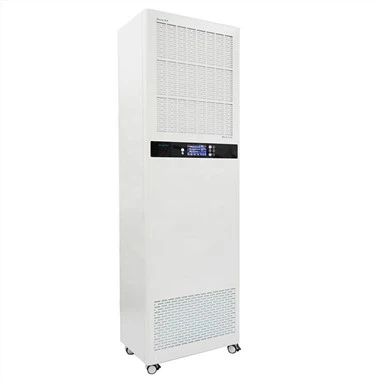
An air purifier is a portable device that uses a fan and filter to pull in unwanted particles from the air and circulate clean air back into a room. The filtration process repeats several times an hour to improve indoor air quality.
Why Choose Us
Shipping Service
We have established a robust shipping service offered to ensure timely and secure delivery of orders worldwide.
Reliable Supply
We offer a vertically integrated supply chain model to ensure reliable long-term supply and complete traceability.
Customer Service
We prioritize open communication to address our clients' specific requirements and deliver personalized solutions.
Technical Support
Our team of experts is available to assist with troubleshooting, answer technical inquiries, and provide guidance.
-

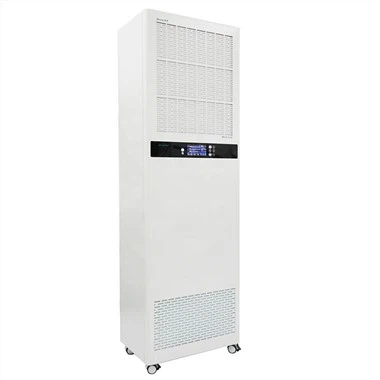
Floor-to-ceiling UV Cabinet Air Purifier
he Floor standing UV air purifier is specially designed for human-machine coexistence environment,
Add to Inquiry -
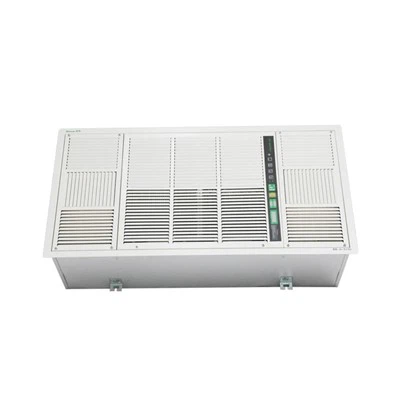
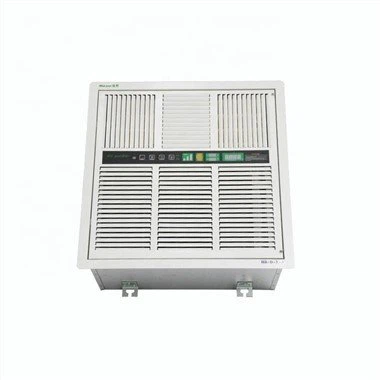
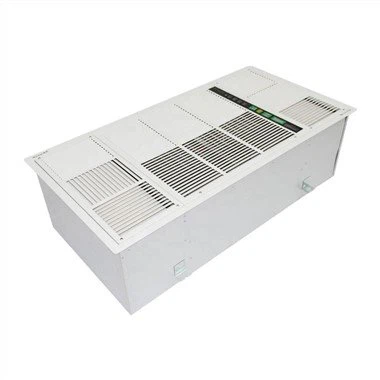
Electrostatic Dust Removal Efficient Ceiling Air Purifier
Hanstat ESP air purifier HB-D-X150.As a standard air disinfection equipment in hospitals,
Add to Inquiry -
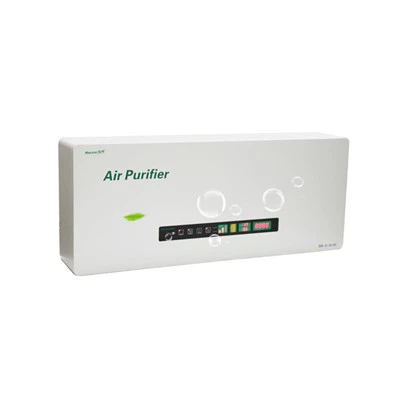
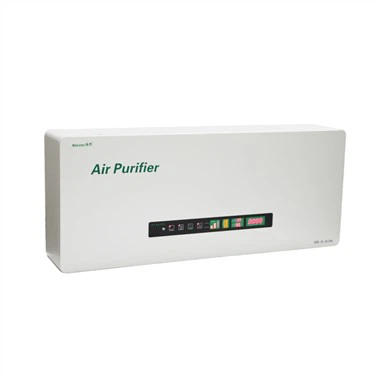
Good Wall Mounted Plasma Air Purifier
The wall mounted air purifier cleans 800 square feet every 30 minutes for a high volume fan and low
Add to Inquiry -
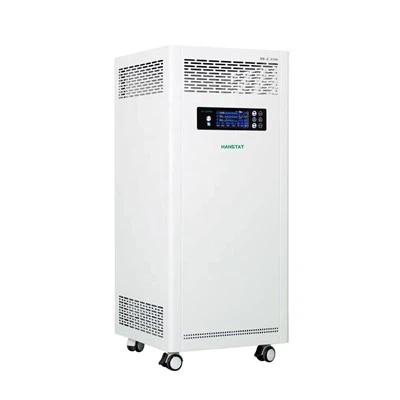
Mobile High Efficiency Air Purifier
Hanstat mobile air purifier could be a perfect fit. It's a painted steel plate, white in color, and
Add to Inquiry -
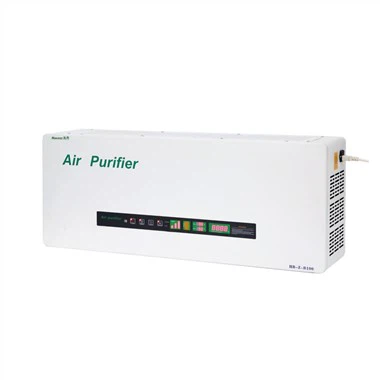
The remote-controlled air purifier cleans 800 square feet every 30 minutes for a high volume fan
Add to Inquiry -
Wall Mounted Hepa Air Purifier
Wall mounted HEPA air purifier, the introduction of foreign advanced indoor air purification
Add to Inquiry -
Electrostatic dust collection of air purifier: it uses the principle of high-voltage electrostatic
Add to Inquiry -
The interior contains UVC + ESP dual technology, hepah13 filter, activated carbon filter,
Add to Inquiry -
Similar to filtered air purification equipment, electrostatic air purifier is also mainly used to
Add to Inquiry -
The interior contains UVC + ESP dual technology, hepah13 filter, activated carbon filter,
Add to Inquiry -
Home Appliances Plasma Household Air Purifier
The working principle of traditional ion purifier is tip discharge. The oxygen molecules in the air
Add to Inquiry -
Hanstat mobile air purifier is the best choice for disease prevention and air purification. It is
Add to Inquiry


Air purifiers improve indoor air quality, limiting your exposure over time to harmful pollutants. When you take a deep breath, you want to fill your lungs with pure, fresh air—not dirty air filled with allergens and dust.
Air pollutants also include pesticides and gases emitted by mattresses and other furniture materials. Most indoor air pollution comes from sources that are also indoors, such as cooking fumes, fireplaces, coal heating, paints, and insecticides. Building materials, such as treated wood and wallpaper, can also emit pollutants through a process known as off-gassing.
Due to all of these potential sources of air pollution that exist right inside the home, air purifiers are especially important for people with underlying lung conditions, such as asthma.
Air pollutants aren’t the only things hanging around; bacteria and viruses also ride on airborne particles, sometimes for hours or days.
Most air purifiers use a fan to pull in air from the room and push it through one or more filters inside the device. Depending on the model, an air purifier could use filters made from paper, fiberglass, an activated carbon material, or a combination of materials to absorb pollutants and other particles from the air.
Advantages Of an Air Purifier
An air purifier can purify the air from a wide variety of pollutants and allergens that can be hard on an individual's health in the long term. Air purifier benefits extend beyond simply purifying the air from regular pollutants.
Uses of an air purifier against dust
Pollutants like dust, which is more typically found in houses than elsewhere, are far more likely to be trapped in spaces with poor ventilation. Despite its appearance as a simple irritant, dust attracts mites, pathogens, and viruses, all of which can cause allergic reactions in people with acute respiratory illnesses. That's because the body reacts to pollen, dust, etc., by releasing IgE, an allergy antibody. As a result, allergic symptoms such as sneezing, wheezing, rashes, and others occur.
Uses of an air purifier against allergens
Apart from dust, other allergens like pollen and much more can cause allergic reactions in the body by producing IgE antibodies. An air purifier will filter these impurities by employing the filters setup inside the device. Common airborne diseases like the flu or common cold can be prevented from spreading throughout a household if an air purifier is around. A scientific study recognised air purifiers as the fourth most effective method to prevent asthma attacks.
Uses of an air purifier against pet hair
Pets lose hair and dander and emit odour, putting children and other family members in danger of inhaling particulate-laden air. If the pet is not groomed regularly, the condition can exacerbate. When this impure air enters the body, it may provoke allergies and lead to health problems in the future. Investing in a good air purifier to eradicate hazardous airborne particles should be one of the first things on the to-do list to live in harmony with your pets.
Uses of an air purifier against bad odour and smells
Investing in an air purifier could be a long-term solution if your residence or the surrounding region smells, has unpleasant odours, is prone to bushfires or even if one of the family members is a smoker. Chronic obstructive pulmonary disease (COPD) and heart disease can both be caused by inhaling cigarette smoke. Since a child's lungs are developing continuously and are at a more nascent stage in respiratory rate than an adult, second-hand tobacco smoke or any other smoke is just as harmful. Meanwhile, elderly adults who are susceptible to passive smoking have an increased risk of developing dementia.
Uses of an air purifier against mould
Humidity, water or flooding damage make an ideal breeding ground for potentially harmful mould to grow if left unattended. Although air purifiers cannot physically eliminate the mould growing on carpets and walls, air purifiers containing HEPA filters or activated carbon can effectively eliminate minute airborne mould spores. Not just the spores but mould odours can be neutralised using air purifiers with carbon filters.
What Do Air Purifiers Remove From the Air?



Most indoor pollution is called particulate matter, or PMs. These airborne particles are classified by their particle size. For instance, PM2.5 are particles that are 2.5 microns in diameter or less. These particles are extremely small and fine.
Meanwhile, PM10 are larger particles that are 10 microns in diameter or less. Typically, the finer particles are more harmful because they can negatively impact your respiratory system when inhaled, causing inflammation and other respiratory symptoms. Air purifiers are most effective at removing fine particles.
Here is a closer look at some of the indoor contaminants that may be in your home and how air purifiers may be able to improve your indoor air quality.
Pollen
When you have seasonal allergies, air filtration is usually recommended as part of your treatment plan, especially because air purifiers can remove some of the most common allergens from the air reducing the severity of your symptoms. Research has consistently shown that using an air purifier equipped with a HEPA filter can help control allergic diseases by reducing medication needs and improving symptoms.
In fact, one study found that for those with a grass allergy using an air purifier can significantly reduce nasal symptoms. During the study, researchers noted that those with a total nasal symptom score between four and six reported a score of one when the air purifier was used. They concluded that air purifiers are effective at reducing common pollens in indoor spaces.
Smoke
Whether you frequently use a fireplace or you live near an area where wildfires are prevalent, you may have a need for an air purifier that can remove fine smoke particles from your home. Fortunately, portable air purifiers are effective in reducing the number of fine smoke particles caused by wildfires and wood burning.
In fact, one study found PM2.5 concentrations were 63% to 88% lower in homes with portable air purifiers. Researchers noted that having lower indoor PM2.5 exposures benefit respiratory and cardiovascular health and should be recommended by public health officials during wildfire events.
Dust Mites and Pet Dander
Dust mites are one of the most prevalent indoor allergens, with pet dander from both cats and dogs also presenting an issue for allergic people. For this reason, finding ways to remove some of these small particles is important for healthy breathing.
One study found that air purifiers may be the answer, particularly when used in bedrooms. Researchers noted that air purifiers were 67% to 92.4% effective in removing airborne particles regardless of size and encourage using air purifiers as part of an allergy treatment plan.
Mold
Research has consistently demonstrated the mold is harmful for people with asthma and other lung conditions, especially when the mold spores become airborne. Inhaling these spores on a regular basis can trigger symptoms of a mold allergy causing sneezing, throat and nose irritation, runny nose, and red or itchy eyes.
For this reason, people often look to air purifiers to help mitigate this problem, which can help remove airborne mold particles that cause symptoms. That said, the Environmental Protection Agency (EPA) indicates that using an air purifier alone will not completely address the problem. You also will need to take steps to remove the moisture that is causing the mold in your home.
Bacteria and Viruses
Bacteria and viruses can become airborne when people talk, cough, or sneeze, which means they can float in the air and land on surfaces. In fact, viruses such as influenza, RSV (respiratory syncytial virus), adenovirus, and coronavirus can be spread through these tiny particles that are either spread through the air or on surfaces.12
Research suggests that air purifiers may be beneficial in reducing the concentration of these particles. But, the extent to which they remove these pathogens from the air is still being investigated.That said, one recent study found that using an air purifier may help to reduce the concentration of respiratory droplets and virus particles and can lessen the airborne transmission rate.
How To Choose an Air Purifier?
If you're shopping for air purifiers for your home, there are several factors to consider when choosing and setting up an air purifier in a room, whether it's to reduce smoke pollution, lower the risk of viral transmission, or improve seasonal allergies.
It's essential to consider the type of filter, cost, user experience, size of the room or space where the air purifier will go, the price of the unit, and the ease of maintenance -- as well as the follow-up costs for replacement filters. Choosing the right features is paramount for a device that will process the air you'll breathe into your lungs, so we'll rank them in order of importance.
The type of filtration, including the stages
Many air purifiers tout fancy filtration systems to remove the most air particles. You only need to look for one with a true HEPA filter, which stands for High-Efficiency Particulate Air filter, as these capture 99.97% of particles that are 0.3 microns in diameter. Everything else is frosting.
Stages are popular in air purifying systems. The stages are the layers of filtration the air goes through in the air purifier during cleaning. These devices typically have at least a washable fabric filter, then the replaceable filter, which is the one that should always be a HEPA filter. This would be a two-stage system. Some systems have three stages, where the third layer is an activated carbon filter that removes odors and some gases from the air.
The size of the room you're purifying
Air purifiers are optimized to clean specific-sized rooms, as their power is measured by how often they can exchange all the air in the room, called Air Changes per Hour (ACH). The higher the ACH, the more powerful the air purifier.
An ACH of 4 means it can exchange all the air in the room four times in one hour so that it can clean the air in the room in only 15 minutes. The CDC published guidelines recommending five air changes per hour to reduce airborne virus transmission.
Cost, including maintenance
After you factor in the room size for your air purifier and the initial budget, you need to consider maintenance costs and factor that into your long-term budget. Air purifiers need filter replacements every few months -- whether every three, six, or 12 months will depend on the filter and the use.
Some air cleaners have a lower upfront cost but require frequent and more expensive filter replacements, so check how often filters need to be replaced and how much they cost before settling on a model. You can also check the product reviews to see if there are often issues with delays and stock.
Noise level, depending on where you put it
There are a lot of whisper-quiet air purifiers on the market, ranging from 24-30 decibels. For reference, the hum of a refrigerator is around 40 dB, and a vacuum cleaner ranges from about 60-70 dB.
Noise level is typically listed on the air purifier's specifications chart, so take a gander at it if you're sensitive to noise or looking for a quiet device.
Extra and smart features
Other extra features include air quality indicators, schedules, timers, and filter change indicators. These features add convenience to the consumer, but they could add to the initial cost of the device, so consider which are worth the expense for you.
Our Factory
Suzhou Hanbang sterilizer Equipment Co., Ltd. is a company specializing in the production and sales of air purification equipment and disinfection products with independent research and development. The main products are: ultraviolet sterilizer, plasma sterilizer, electrostatic precipitator air purifier, ozone sterilizer, ozone generator, bed unit disinfection machine, medical laminar air flow clean bench, medical purification screen, etc. series of disinfection products and air purification equipment . Our company has been exporting and selling through Alibaba for more than 6 years. During this period, we have participated in many domestic and foreign exhibitions.


FAQ
Q: What does an air purifier actually do?
Q: Is there any benefit of air purifier?
Q: How do I know if I need an air purifier?
Your house smells of varnish and disinfectants: Be sure to look for air purifiers that can remove VOCs, or volatile organic compounds.
Q: Do doctors recommend air purifiers?
Q: Is it healthy to sleep with air purifier?
Q: Do air purifiers get rid of dust?
Q: Where should I put an air purifier?
Q: Is an air purifier good for health?
Q: What are the main components of an air purifier?
Q: What are the raw materials for an air filter?
Q: Do air purifiers get chemicals out of the air?
Q: How healthy are air purifiers?
Q: How many types of air purifiers are there?
Q: What is the safest type of air purifier?
Q: How do I choose a portable air purifier?
A HEPA (H13 or H14 only) air cleaner.
The Clean Air Delivery Rate needs to be sufficient for the room volume.
Maximum tolerable noise – fans are noisy, and it can sometimes make sense to have two quiet (<40dB) portable air cleaners rather than one large cleaner (>50dB)
Cost.
As one of the leading air purifier manufacturers and suppliers in China, we warmly welcome you to wholesale bulk cheap air purifier n stock here from our factory. All customized products are with high quality and competitive price. Contact us for quotation.
portable air purifier around neck, uvc light in hvac, blaster ozone generator