Do You Know These 5 Technologies Of Air Disinfection Machine? If You Don't Know, Come And Have A Look!
Jul 17, 2021
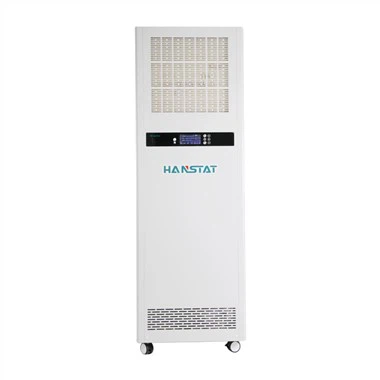
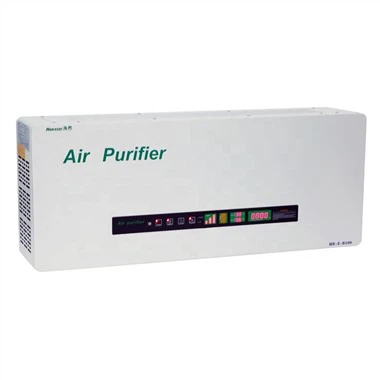
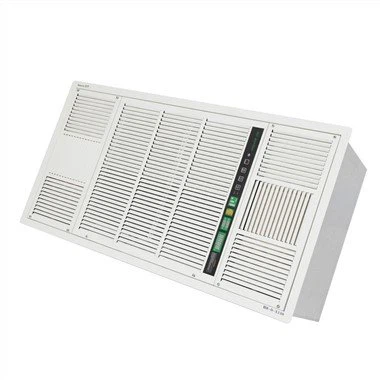
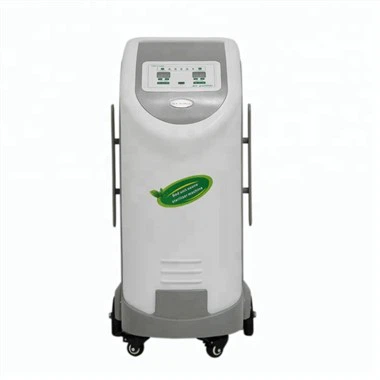
The air disinfection machine can purify the air, disinfect and sterilize within a certain space, whether it is PM2.5, mold, dust, hair, toluene, formaldehyde, or even E. coli, H1N1, it can solve it well. Moreover, the application range of air disinfection machines is relatively wide, such as hospitals, homes, laboratories, pharmacies, beauty salons, pet shops, kindergartens or offices. However, many people may not know what technical principles are used in the air disinfection machine. The following is a summary of the 5 common technologies of the air disinfection machine, and I hope to help you understand the air disinfection machine more deeply.
1. Ultraviolet rays
Ultraviolet rays can achieve the inactivation of bacteria in the air. When the ultraviolet lamp tube is closer to the object to be disinfected, the bacteria will kill more and faster. In the range of ultraviolet radiation, the mortality rate of bacteria can be guaranteed to be 100%, and there will be no "fish that slip through the net". The principle of ultraviolet sterilization is to destroy the structure of DNA in the body by irradiating bacteria, viruses and other microorganisms, causing them to immediately die or lose their ability to reproduce. Quartz ultraviolet lamps have advantages. Different wavelengths of ultraviolet light have different sterilization capabilities. Only short-wave ultraviolet (200-300 nanometers) can kill bacteria. Among them, the strongest sterilization ability is in the range of 250-270 nanometers. The cost of ultraviolet lamps made of different materials And performance is different. Really high-intensity, long-life ultraviolet lamps must be made of quartz glass, this kind of lamp is also called quartz germicidal lamp.
2. Negative ions
Negative ions can efficiently remove dust, sterilize, and purify the air. At the same time, they can activate oxygen molecules in the air to form oxygen-carrying negative ions. Negative oxygen ions combine with oxygen in the air to form "active oxygen, which can decompose bacterial cell membranes and oxidize virus proteins, and achieve the purpose of sterilization, detoxification, and decomposition of harmful gases.
3. Photocatalyst
The photocatalyst is generally a nano-level photocatalyst material (titanium dioxide), combined with the irradiation of a violet lamp, to generate positively charged "holes" and negatively charged negative oxygen ions on the surface of titanium dioxide, "holes" and water vapor in the air In combination, it produces strong alkaline "hydroxide radicals", which decompose formaldehyde and benzene in the air, turning them into harmless water and carbon dioxide. Negative oxygen ions combine with oxygen in the air to form "active oxygen", which can decompose bacterial cell membranes and oxidize virus proteins, thereby achieving the purpose of sterilization, detoxification and decomposing harmful gases.
4. Plasma
The technical principle of plasma is to use a bipolar plasma electrostatic field to decompose and destroy negatively charged bacteria, polarize and adsorb the dust, and then combine components such as drug-impregnated activated carbon, electrostatic nets, and photocatalyst catalytic devices for secondary sterilization and filtration. After treatment A large amount of clean air circulates quickly, keeping the controlled environment at the standard of "sterile clean room".
5. Ozone
Ozone generators are mainly manufactured by electrolysis. Large and medium types of ozone generators are generally divided into two types: oxygen source and air source. The direct method is used to electrolyze oxygen to form ozone. The ozone formed by the ozone generator can complete the oxidation in a short time under the condition of low concentration. When it is in a small amount, it will give people a sense of fresh air.